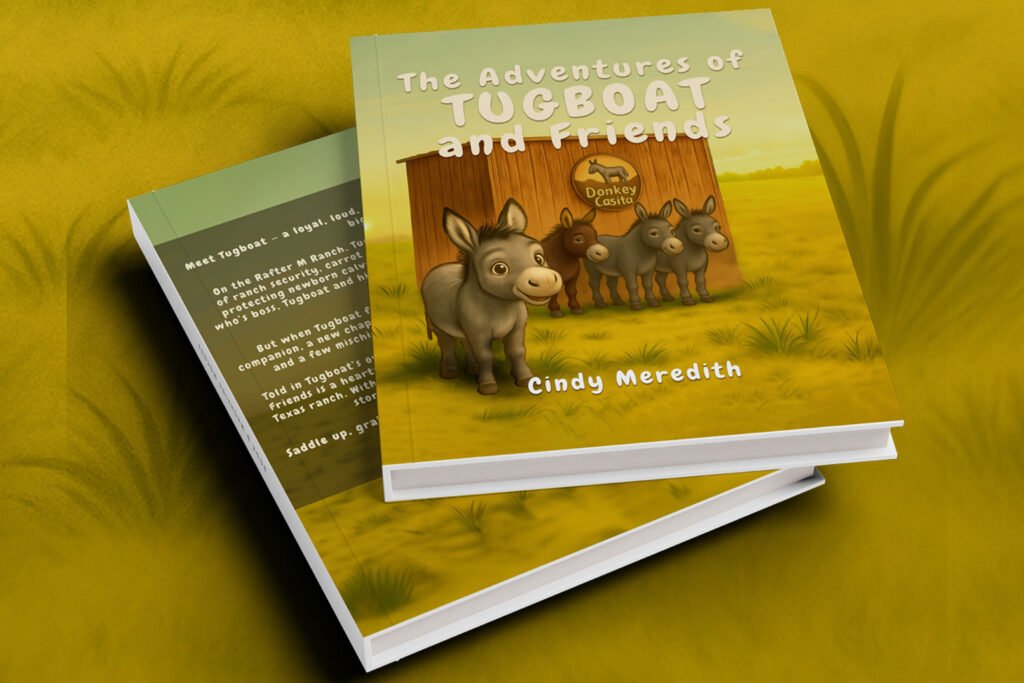

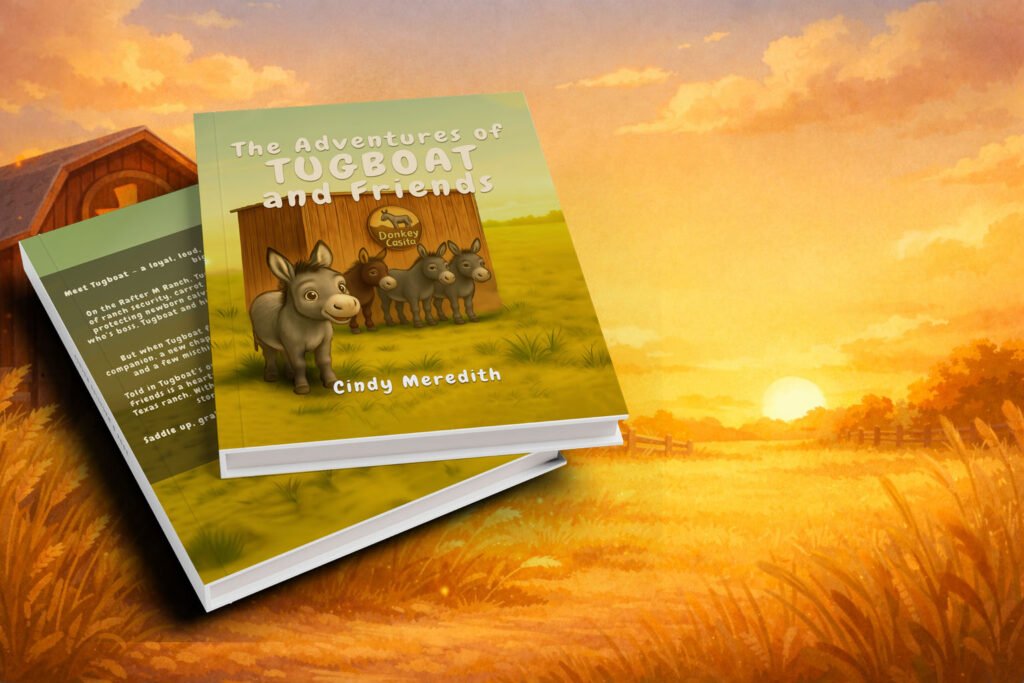
In this blog, we’ll explore how fostering empathy and teamwork in children is essential for their development. Using Tugboat’s adventures with his companions on the Rafter M Ranch, we’ll highlight the significance of teaching kids about kindness, responsibility, and the value of working together. Through fun stories and engaging activities, children can learn important life lessons while developing the social skills they need to succeed. The blog will provide practical tips for parents and educators on how to nurture these traits in young children, both in and out of the classroom.
As parents and educators, we strive to raise children who are not only intelligent but also compassionate and able to work well with others. Empathy and teamwork are fundamental skills that shape a child’s emotional intelligence and social interactions, both of which are key to success in life. But how do we teach children these important values? Let’s take a page from The Adventures of Tugboat and Friends, where Tugboat, the lovable donkey, and his companions—Tank, Pancho, Lefty, and Pedro—show us how kindness, empathy, and teamwork play out on the Rafter M Ranch.
In the story, Tugboat and his friends face many challenges, from protecting the ranch’s calves from coyotes to learning how to work together as a team. Tugboat teaches his new friends the importance of helping one another, sharing responsibilities, and understanding each other’s feelings. By focusing on these themes, young readers can grasp the importance of empathy and teamwork in their own lives.
Why is Empathy Important for Children?
Empathy allows children to understand and share the feelings of others. It’s an essential skill for building positive relationships, reducing bullying, and encouraging compassion in all areas of life. Through Tugboat’s caring interactions with his friends, children see how showing empathy leads to stronger bonds and a more harmonious environment. Tugboat’s adventures remind us that small acts of kindness can make a big difference.
How Can Teamwork Shape Their Future?
Learning to work as a team helps children develop skills like communication, cooperation, and problem-solving. When children work together, like Tugboat and his friends do to protect the calves, they not only learn to share tasks but also to support one another in achieving common goals. Whether it’s in school, sports, or at home, teamwork is an essential life skill that will serve children well as they grow.
Practical Tips to Teach Empathy and Teamwork
- Model Empathy: Children learn by example. Show them how to express concern for others’ feelings, and they will follow suit.
- Encourage Group Activities: Involve children in team projects, both in and out of school. Tugboat and his friends often work together on ranch duties, and similar activities can help children develop teamwork skills.
- Celebrate Teamwork: Praise your child when they work well with others, whether it’s sharing toys or completing a group task at school.
- Foster Emotional Understanding: Help children identify emotions in themselves and others. This creates a foundation for empathy.
- Read Books with Teamwork Themes: Stories like The Adventures of Tugboat and Friends introduce children to teamwork and empathy in a fun and engaging way.
Conclusion
Tugboat’s journey isn’t just about protecting calves and facing challenges; it’s about learning to care for others, communicate effectively, and work as a team. These are the lessons we want our children to learn and embrace. By teaching empathy and teamwork from a young age, we help our children grow into compassionate and collaborative individuals ready to take on the world together.